Transforming agriculture: The rise of Drone Didis
Case studyDiscover how Grant Thornton Bharat's Drone Didis initiative empowers rural women and transforms agriculture with drone technology. Learn more about this success.
For more updates follow Grant Thornton Bharat on WhatsApp
19 Jul 2024 3 min read
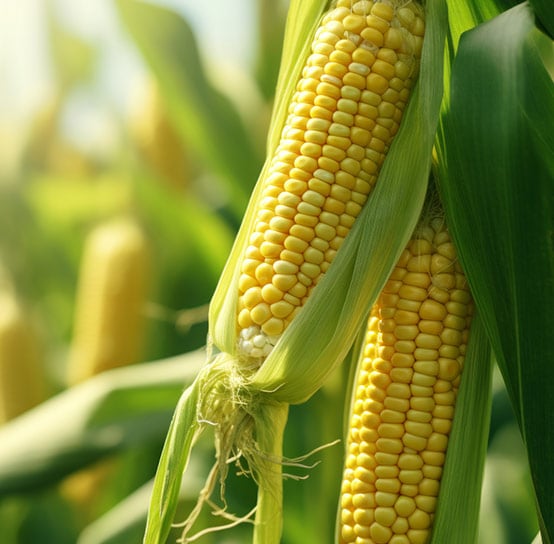
India's quest for energy independence and net-zero emissions by 2070 places biofuels at the core of its strategy. Our report, 'Grain to Gain: Impact of Corn on India’s Biofuel Revolution', analyses the key role of corn, a promising feedstock, in this green transition. It explores the technical advantages, conversion processes, and market potential of corn-based ethanol, highlighting the challenges and opportunities in India's biofuel journey.
India, the world's third-largest energy consumer, has ambitious goals for clean energy. Biofuels, derived from renewable sources like plants, algae, or animal waste are a key part of the strategy to achieve energy independence and net-zero emissions by 2070. This approach focuses on reducing dependence on imported crude oil and increasing domestic production of non-fossil fuel energy sources.
The transition to biofuels poses significant challenges, requiring substantial investments in infrastructure, research, and production facilities. Efficient methods for converting various feedstocks into biofuels are important from a technological standpoint. Additionally, clear policies and regulations regarding land allocation, feedstock availability, and blending mandates are essential for a smooth transition.
This report highlights corn as a promising biofuel feedstock due to its high starch content, which can be readily converted to ethanol. Increased corn-based ethanol production can diversify feedstocks beyond the traditional reliance on sugarcane. The government's initiatives, such as separate pricing for maize-based ethanol, further incentivise its production.
Corn's suitability for biofuel production stems from its easily fermentable starch content. Modern processes yield approximately 2.7 gallons of ethanol per bushel of corn. Additionally, breeding techniques can improve corn's biomass and starch content for even higher ethanol yields.
Dry grind is a popular method for processing the entire corn kernel into ethanol. In this report, we discuss the technical aspects of biofuel production, including the conversion of starch to sugars through enzymes, fermentation with yeast to produce ethanol, and the final step of distillation, which separates ethanol from the fermented mixture.
The government's support for corn-based ethanol production through schemes and blending mandates is a positive development. Research efforts are directed towards developing genetically-modified corn for higher ethanol yields and exploring efficient conversion methods. Notably, corn ethanol can also contribute to the production of sustainable aviation fuel (SAF).
India's abundant feedstock resources position it as a potential major player in the global biofuel market. This report emphasises that the demand for biofuels, including corn ethanol, is projected to rise significantly in the coming years. Supportive government policies and technological advancements are important for market growth.
Our report examines the potential of corn as a feedstock for biofuel production in India. By addressing challenges and promoting research, India can leverage corn-based ethanol for a cleaner and more sustainable energy future.
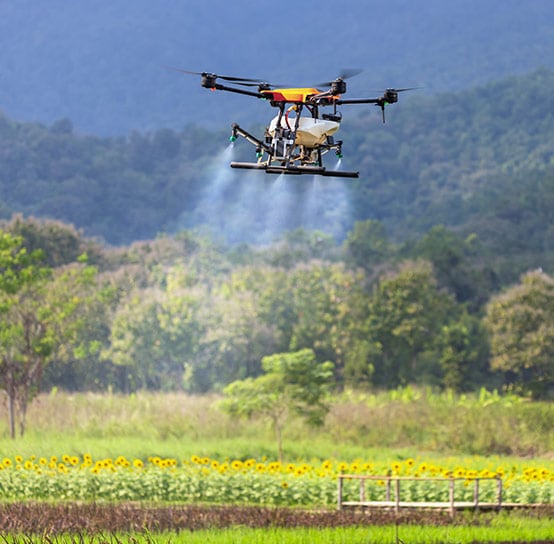
Discover how Grant Thornton Bharat's Drone Didis initiative empowers rural women and transforms agriculture with drone technology. Learn more about this success.

Discover how India's cold chain sector growth is transforming logistics with advanced technologies, ensuring food safety, and boosting economic growth.
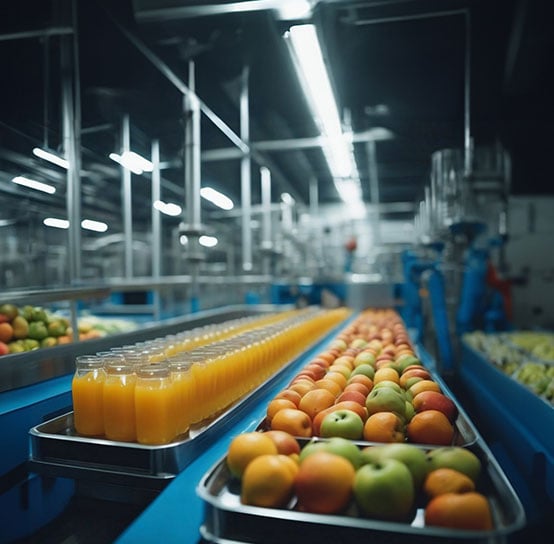
Transforming India’s food processing sector to global leadership by 2047. Challenges, opportunities, and strategic initiatives for sustainable growth.