Learn more about how our Metals & Mining services can help you
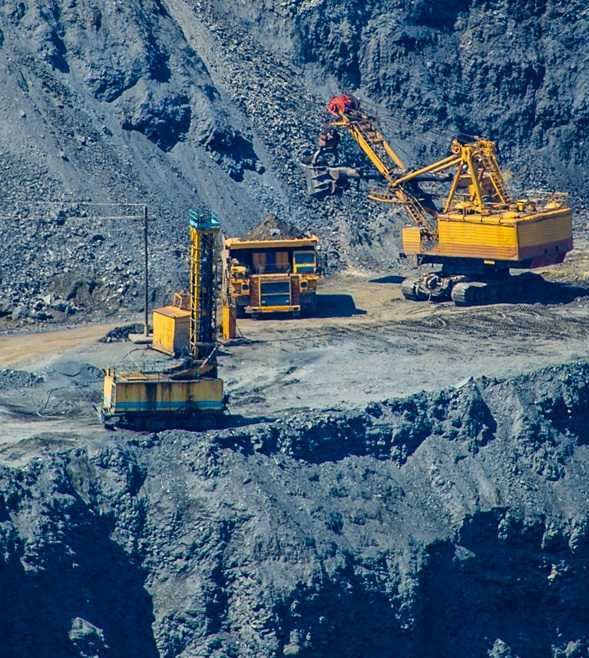
Building a critical minerals ecosystem in India
Critical minerals in India have moved from being a niche mining concern to a strategic national priority.
For more updates follow Grant Thornton Bharat on WhatsApp

By: Dr Suvendu Bose
02 Jul 2026 4 min read
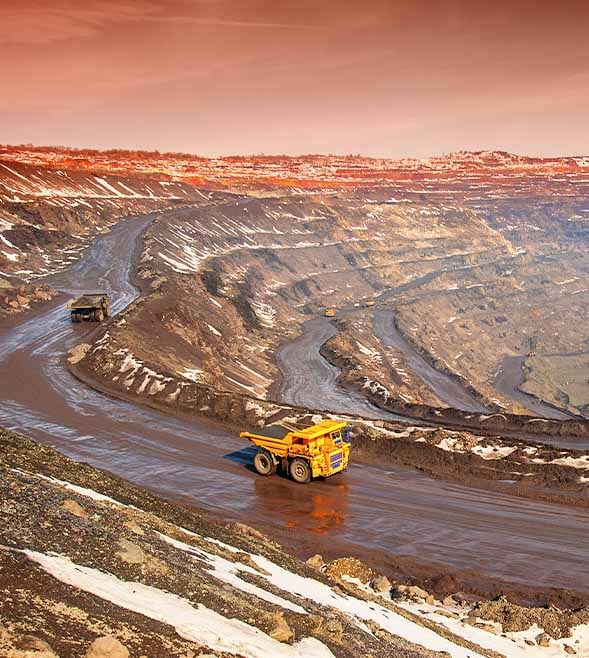
Rare Earth Permanent Magnet or REPM are magnets made from rare earth elements such as Neodymium (Nd), Praseodymium (Pr), Samarium (Sm), and Dysprosium (Dy). These magnets generate exceptionally strong magnetic fields relative to their size. The global demand for rare earth permanent magnets is expected to reach 87 KT (thousands of tonnes) by 2029. They are used in electric motors, generators (including wind turbines), MRI machines, consumer electronics, and various high-performance industrial applications due to their superior magnetic strength compared to traditional ferrite or alnico magnets.
The REPM value chain commences with the production of monazite concentrate from beach sand minerals and rare earth element deposits. The subsequent stages include rare earth separation through solvent extraction, metal making, alloying and refining, and ultimately the manufacture of permanent magnets for end-use applications across various industries.
Setting up a standalone 1.2 KTPA plant (with facilities covering metal making via REPM manufacturing) would require a capital expenditure of INR 2,000-2,500 crore, with a cost of production of about INR 0.70 crore per tonne of REPM.
The INR 7,280 crore PLI scheme for Sintered Rare Earth Permanent Magnets (REPM) aims to establish 6,000 MTPA of domestic, vertically integrated manufacturing capacity (to be allocated to a maximum of 5 beneficiaries, each allowed up to 1,200 MTPA). It includes a INR 750 crore capital subsidy and a INR 6,450 crore sales-linked incentive over a five-year period based on actual REPM sales. The PLI scheme is for a seven-year period — 2-year gestation/setup and 5-year incentive payout. The selection process is being administered by the ministry of heavy industries via a global competitive bidding process.
Key issues include over-dependence on imported rare-earth oxides (~ 80% to 90%), a severe lack of proprietary processing technology, and geopolitical supply vulnerabilities. While the scheme incentivises the manufacturing of the magnets, India lacks rare earth element (REE) production and mid-stream processing capabilities. It holds 8% of global REE reserves, and accounts for only 0.7% of global REE production. This is due to the association of radio-active minerals with monazite, which leads to stringent regulatory oversight.
The quality of REPM is dependent on proprietary technologies, which are controlled by a few global R&D institutions and manufacturers. China holds an overwhelming dominance over the refining technology and high-precision equipment required to process rare-earth materials.
Indian companies are not yet able to broadly avail the PLI scheme because the government has yet to roll out the programme completely due to extension of timeline on request from potential bidders. The potential bidders are not having ample clarity regarding raw material security as well as lack of available advanced midstream processing and refining technologies needed to convert the raw ore into usable magnets.
A successful REPM ecosystem will require a blend of the PLI scheme with sovereign loan guarantees, risk-sharing finance mechanisms, and targeted upstream technology grants. The government cannot just design an incentive, hold a tender and then step away.
To make the PLI scheme more attractive, these targeted structural and policy changes are required:
This article first appeared in the Financial Express on 2 July 2026.
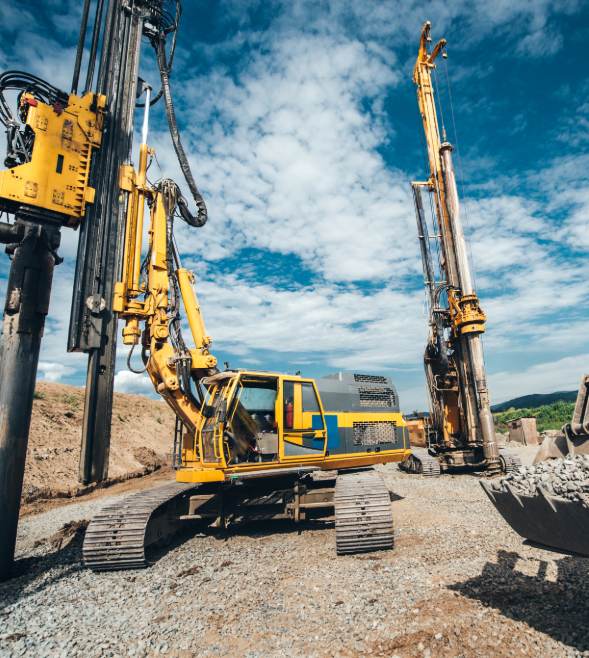
Critical minerals in India have moved from being a niche mining concern to a strategic national priority.
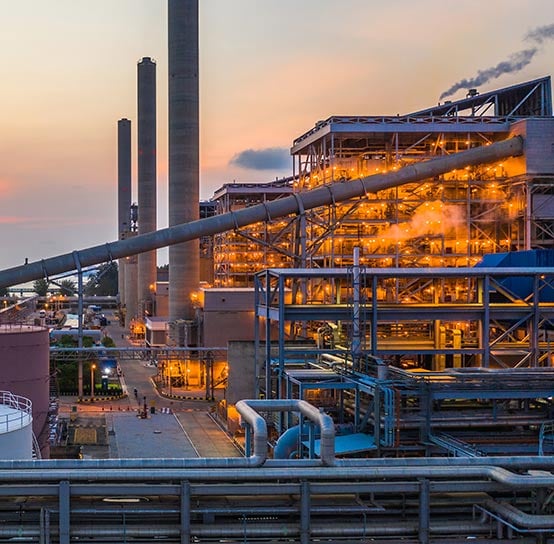
Grant Thornton Bharat explores sustainable green metals as catalysts for decarbonisation, vital for combating climate change in India's industrial growth.
The fourth tranche of INR 20 lakh crore economic package announced by Finance Minister Nirmala Sitharaman today streamlines processes to fast-track investments in key sectors, builds a solid ground for executing Prime Minister Narendra Modi’s vision of ‘vocal for local’, enables employment generation, brings consumers at the centre stage and most importantly, creates ample room to unleash the benefits of privatisation.