
Article
Will Russian oil be economically viable for India if Trump tariffs return?
India's search for the optimal crude import mix is a constant balancing act.
For more updates follow Grant Thornton Bharat on WhatsApp
Partnering with businesses and policymakers to accelerate energy transition and unlock sustainable growth.

India’s Energy & Resources sector stands at a defining inflexion point, where decarbonisation, energy transition, climate commitments and rising infrastructure demand are converging. Organisations are reimagining portfolios, accelerating sustainability initiatives, investing in clean and transition technologies, and navigating evolving policy, regulatory and capital dynamics, creating unprecedented opportunities alongside execution challenges.
As India advances towards its net-zero ambitions, the sector is driving one of the world’s largest and most inclusive energy transitions. With over 223 GW of renewable energy capacity and 50% non-fossil installed capacity achieved ahead of 2030 targets, growth across transmission, storage, green hydrogen and sustainable infrastructure is accelerating rapidly. Grant Thornton Bharat supports stakeholders across the energy and climate value chain with strategic, financial, sustainability and regulatory expertise to help manage risks, unlock investment, strengthen resilience and create long-term value in a rapidly transforming market.
Our experienced specialists combine deep industry knowledge with strong government and private sector networks to deliver strategic insights and impactful outcomes.
We enhance your performance by leveraging and practically implementing clean energy technologies to accelerate decarbonisation.
Our team has experience not only in the domestic market but also in international markets, spanning 20-30 countries across all service offerings.
|
Conceptualising energy-efficient and renewable energy projects
|
Strategy, business plan and market assessment
|
Project management and implementation (PMC)
|
|
Net zero and decarbonisation
|
Skill development and capacity building
|
Technical and commercial due diligence
|
|
Green and climate finance
|
Sustainable transportation
|
Policy and regulatory assessment
|
|
Transactions advisory
|
Energy audits and M&E
|
Energy-efficient procurement
|
|
Technology assessment and feasibility
|
Transformation and performance improvement
|
Carbon capture, utilisation and storage (CCUS)
|
|
SustainaPro (integrated solution for product carbon neutral)
|
Energy efficiency plays a pivotal role in addressing energy security concerns while also helping achieve climate goals. Energy efficiency is considered the first fuel in the energy transition journey and has become a top priority across sectors, focusing on low-hanging fruit for energy conservation and emissions reduction. Our collaborative efforts with policymakers, development agencies, research institutes, associations, NGOs and private organisations are focused on the importance of consistent and widespread energy efficiency improvements. This includes industries, small and medium enterprises (SMEs), buildings, urban local bodies (ULBs), transport, electricity and water utilities, street lighting, water pumping and agriculture.
Climate change poses a critical threat to our planet's ecosystems and holds significant implications for individuals, businesses, and policymakers alike. Addressing these climate threats is vital to protecting businesses and communities, safeguarding biodiversity, and securing a sustainable future. Our multidisciplinary team offers expertise in tackling challenges in both mitigation and adaptation. We assist governments in crafting policies that foster innovative low-carbon technologies and business frameworks. For companies, we provide guidance on climate change risks and support them in decarbonisation and achieving net-zero goals.
As the global imperative for sustainable energy intensifies, our renewable energy practice stands at the forefront of the transition, poised to revolutionise the way we generate and consume power. Recognising the profound impact of renewable resources, we dedicate ourselves to spearheading projects that not only meet energy demands but also align with environmental and economic sustainability goals. Engaging with policymakers, development agencies, research institutes, and private sector entities, we create synergies that amplify the impact of renewable energy initiatives. By fostering partnerships, we ensure a comprehensive and integrated approach to sustainable energy solutions. Beyond immediate gains in energy production, our focus extends to the enduring sustainability of renewable energy projects. We are committed to creating solutions that significantly contribute to climate change mitigation, reduce carbon footprints, and foster a resilient and sustainable energy ecosystem.
In the face of accelerating climate change, rapid technological evolution, shifting regulations, and soaring customer expectations, power & utilities firms must navigate complex challenges, optimise operations, streamline processes, ensure compliance, and leverage digital innovation. Our multidisciplinary team helps power & utilities firms revamp processes, empower teams, ensure compliance, implement integrated IT & digital solutions, and elevate customer experiences, thereby enabling adaptability to industry shifts and ultimately enhancing customer satisfaction and driving sustainable growth in a dynamic, competitive landscape.
As the world accelerates towards sustainable transport solutions, our e-mobility practice is enabling the shift to cleaner, smarter mobility ecosystems. With deep domain expertise, we support clients in navigating the evolving landscape—from integrating electric vehicle (EV) technologies and deploying charging infrastructure to adapting business models for a net-zero future. Collaborating with industry players, technology providers, and ecosystem enablers, we bring a holistic approach to unlocking e-mobility opportunities. Our focus extends beyond adoption to include lifecycle sustainability, supply chain transformation, and regulatory preparedness to ensure long-term value and resilience in the mobility transition.
In an era defined by the energy transition, our oil and gas practice helps organisations reimagine their role in a low-carbon future. While energy demand remains critical, the sector must innovate to align climate goals, stakeholder expectations, and regulatory shifts. We work closely with energy companies to design and implement decarbonisation strategies, improve operational efficiency, and adopt cleaner technologies. Our integrated approach balances economic performance with environmental responsibility, supporting clients in navigating risks, capitalising on emerging opportunities, and shaping a more sustainable energy value chain.
Grant Thornton Bharat helps organisations navigate the global energy transition and accelerate their net-zero ambitions through integrated sector expertise and advisory capabilities. We support clients across climate strategy, decarbonisation, ESG, policy and regulatory advisory, transactions, project implementation and performance optimisation, enabling resilient strategies, sustainable growth and large-scale transformation. Working with policymakers, development agencies, corporates, developers, utilities, investors and financial institutions, we bring data-driven insights, global best practices and strong stakeholder networks to advance clean energy, climate resilience and low-carbon development across areas including renewable energy, hydrogen, climate finance, carbon markets, energy efficiency, sustainable infrastructure and emerging clean technologies. Our holistic approach helps organisations manage transition risks, strengthen governance, meet evolving sustainability requirements and build commercially viable, environmentally responsible and future-ready businesses aligned with India’s and global climate commitments.
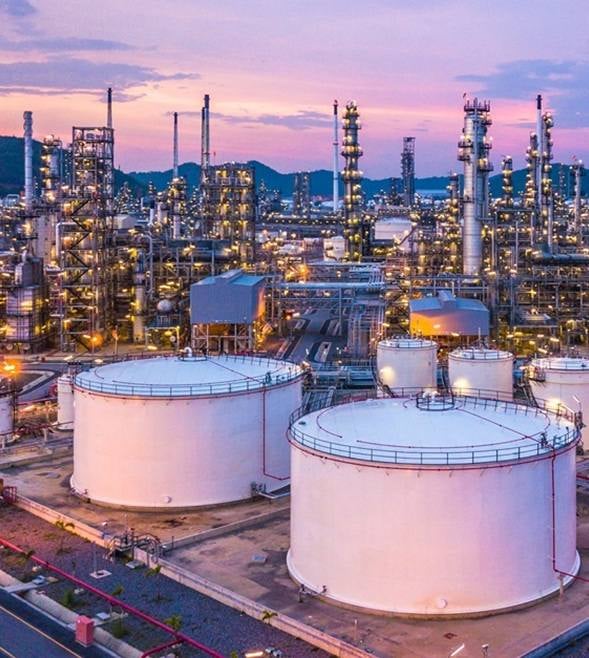
India's search for the optimal crude import mix is a constant balancing act.

Climate finance has often been discussed as a moral obligation of the developed world. That framing is no longer sufficient. In 2026, climate finance must be understood for what it has become: the operating system of the next global economy.

Critical minerals in India have moved from being a niche mining concern to a strategic national priority.