
Building future-ready highways: Why quality assurance matters
As the national highway network is developed and upgraded, focus on quality becomes as important as the pace of construction.
For more updates follow Grant Thornton Bharat on WhatsApp

July 2026 saw dealmaking regain momentum, led by large-ticket M&A transactions and stronger cross-border activity. Domestic transactions drove volumes, while overseas acquisitions contributed significantly to deal values. PE investors focused on early-stage and growth-oriented companies, with retail and consumer, BFSI and IT and ITeS among the active sectors. The July edition of Dealtracker analyses these trends across M&A, PE and capital markets.
July 2026 marked a strong growth in M&A activity, recording 76 deals worth USD 6 billion. Deal volumes increased by 25% while values more than doubled over the previous month, returning activity to levels seen in May 2026.
Cross-border deals contributed 85% of total M&A values, led by several large outbound acquisitions, with the month's four largest cross-border deals collectively valued at USD 4.9 billion.
The month recorded the lowest PE values of 2026, with activity largely concentrated in investments below USD 20 million, which accounted for 86% of disclosed deal values. This highlights a continued preference for early-stage and growth-oriented opportunities over larger funding rounds.
Retail leads overall deal volumes, while IT & ITeS and BFSI continued to see strong participation across both M&A and PE markets. Deal values were driven by IT, Infrastructure Management, Transport & Logistics and BFSI, supported by a mix of large strategic acquisitions and private equity investments.
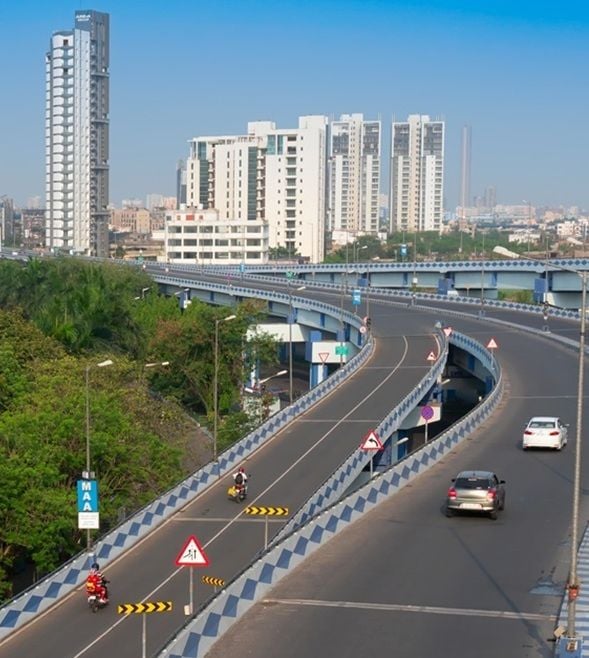
As the national highway network is developed and upgraded, focus on quality becomes as important as the pace of construction.

India’s real estate sector continued to attract investor interest in Q3 2026, driven by domestic participation, private equity investments and demand for income-generating assets. Investors remained focused on quality opportunities across key segments, supporting transaction activity despite a selective investment environment.

The Indian real estate industry is going through a transformation and has now reached a stage at which mere scale and growth are no longer enough to ensure long-term competitiveness.