Article
Building future-ready highways: Why quality assurance matters
As the national highway network is developed and upgraded, focus on quality becomes as important as the pace of construction.
For more updates follow Grant Thornton Bharat on WhatsApp
06 Oct 2026 3 min read

Just as has happened in other industries moving from a model of growth based on capacity to one based on value leadership, sustainable real estate in India will depend on resilience, transparency, innovation and environmental performance. Taking inspiration from the key themes of the report — trust, operational excellence, digital transformation and ecosystem building — the real estate sector is increasingly treating sustainability not as a mere compliance requirement but as a strategic priority. Companies are concentrating on green buildings, incorporating ESG considerations into real estate and aiming to achieve net-zero buildings in order to generate long-term value, draw in capital and boost confidence among stakeholders. Since investors, tenants and regulators are placing greater importance on sustainability outcomes, the sector's forthcoming period of growth will be determined by the effectiveness with which it applies ESG principles to development, operations and asset management.
The Indian real estate market has established a solid base as a result of rapid urbanisation, the development of infrastructure and increasing institutional investment. Yet, since global stakeholders are now assessing assets in terms of sustainability and resilience, developers and asset owners will have to go beyond just focusing on construction and leasing figures. The new standard for competition lies in environmental performance, operational efficiency, governance standards and stakeholder trust.
The development of green real estate shows a wider change in market expectations. Investors are looking for properties which can provide long-term returns together with a reduction in their environmental impact. Occupiers are giving priority to workspaces that promote employee wellbeing, energy efficiency and their commitment to sustainability. Consequently, sustainability is now directly connected with asset quality and long-term competitiveness.
The next phase of sustainable real estate in India is not simply about building more buildings; it is about producing a built environment which provides economic value while at the same time promoting environmental stewardship and social responsibility. The industry can enhance its long-term competitiveness and open up opportunities for sustainable growth by promoting green real estate, obtaining green building certifications, carrying out thorough ESG data reporting, developing climate-resilient assets, and aiming for net-zero buildings.
The opportunity lying ahead is obvious — turn sustainability from a mere reporting obligation into a strategic force that drives innovation, resilience and the creation of value.
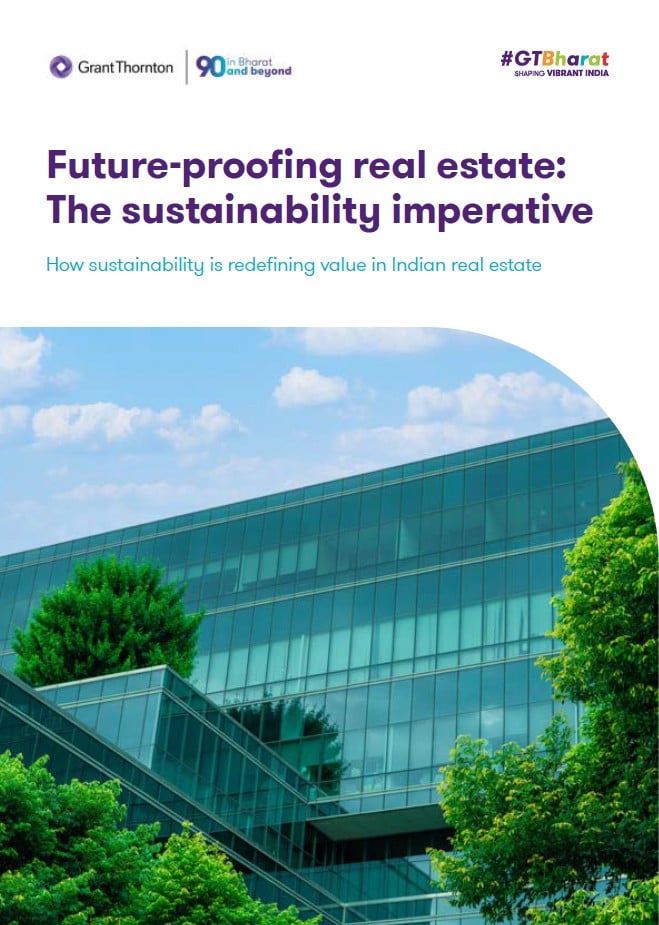
How sustainability is redefining value in Indian real estate
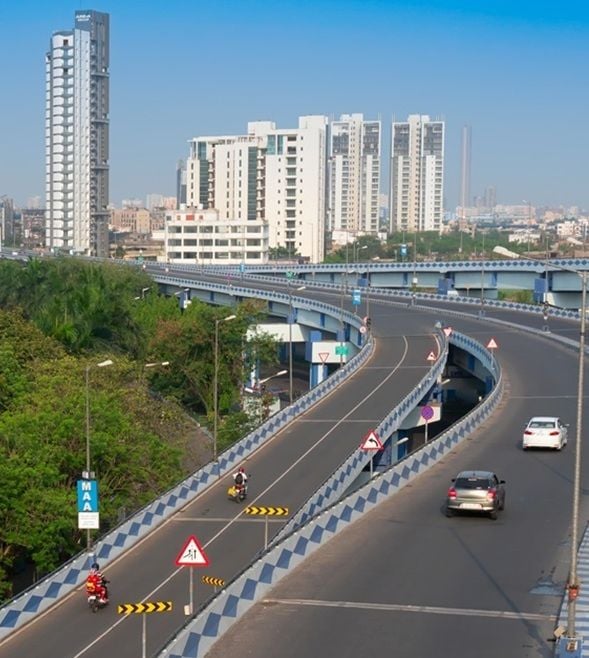
As the national highway network is developed and upgraded, focus on quality becomes as important as the pace of construction.
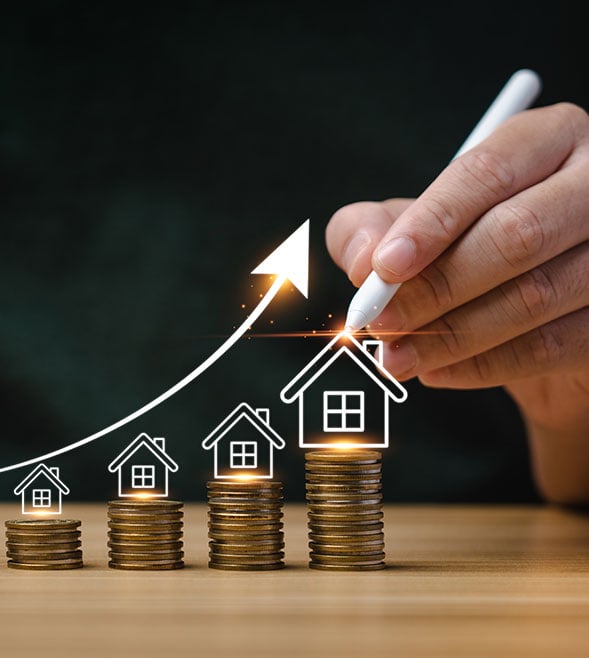
India’s real estate sector continued to attract investor interest in Q3 2026, driven by domestic participation, private equity investments and demand for income-generating assets. Investors remained focused on quality opportunities across key segments, supporting transaction activity despite a selective investment environment.

India's real estate industry recorded stronger transaction activity during the quarter. Domestic activity, capital market fundraising and investor interest in income-generating assets continued to support market activity.