The Indian beverage industry in 2026 is entering a decisive phase of transformation covering both alcoholic beverage industry and the non-alcoholic beverage market in India.

These two segments collectively represent a major pillar of India’s consumption economy, generating employment, sustaining agricultural value chains, supporting manufacturing and logistics, and contributing significantly to fiscal revenues through excise and indirect taxes. The sector is being shaped by four major drivers — formalisation, premiumisation, sustainability and digitalisation — each of which is becoming more pronounced as stakeholders respond to evolving regulation, consumer expectations and supply-chain realities. 

Together, the alcoholic and non-alcoholic beverage segments form one of the most diverse and economically integrated consumer industries in India. The alcoholic beverages India landscape remains one of the largest regulated consumer sectors. Rising disposable incomes, demographic shifts and the growth of urban and semi urban consumption corridors are creating a strong base for sustained expansion.

The non-alcoholic beverage market in India has evolved from a carbonated soft drink dominated space into a diversified portfolio featuring juices and nectars, ready to drink tea and coffee, functional beverages, bottled and sparkling water, mixers and botanical or zero proof formats. Premium, functional and health aligned offerings are gaining relevance, while modern retail, e commerce and quick commerce channels have reshaped distribution. 
Alcoholic beverage industry in India

Trends, investments and regulatory considerations

1.

Sector composition and consumption shifts

The alcoholic beverage industry in India includes Indian Made Foreign Liquor (IMFL), beer, country liquor, wine, ready to drink cocktails and imported spirits. While IMFL represents the largest share, beer and wine continue to grow faster from smaller bases. Wine is benefiting from agritourism, and improved cold chain infrastructure.

2.

Premiumisation and product diversification

Premiumisation is the most significant trend shaping the alcoholic beverages India segment. Indian single malts and craft gins have moved into mainstream consideration as producers invest in enhanced distillation, ageing techniques and provenance-based brand building. Sustainability aligned practices—water positive plants, renewable energy and recyclable packaging—are becoming differentiators that increasingly influence corporate strategy.

3.

Capital expenditure and export opportunities

Capital investment is rising across grain-based distilleries, craft units and technology enabled brewing capacity. Digital quality systems, automated bottling, sensor driven fermentation and IoT supported operations are improving productivity and consistency. Export markets, including Europe and the Gulf, present new opportunities as Indian producers align with international standards in labelling, traceability and food safety.

4.

GST 2.0 and its impact on alcoholic beverages

The GST on beverages framework excludes alcoholic products, which continue to fall under state excise systems. This results in varied excise duties, VAT structures, digital portals and licensing requirements across states. Producers face working capital pressures as GST applies to inputs but cannot be offset against final product taxation. Differences in state policy influence pricing, compliance velocity and interstate logistics.

Non-alcoholic beverage market in India

Health, diversification and regulatory shifts

Expanding product portfolios and evolving consumption behaviour

The non-alcoholic beverage market in India is undergoing rapid transformation driven by health, convenience and functionality. Products offering electrolytes, vitamins, gut health benefits, low or no sugar, and clean label formulations are being integrated into everyday consumption occasions across work, study and leisure.

Traditional Indian beverages such as kokum, jaljeera, aam panna, buttermilk and sattu are being restructured into hygienic, convenient and premium formats. This “modern traditional” convergence is expanding choice and strengthening regional relevance.

Digitalisation and retail expansion

E-commerce, quick commerce and direct to consumer channels have improved access, particularly in non-metro markets. Cold chain improvements and multimodal logistics are helping brands scale distribution more efficiently and reliably.

GST on beverages and classification challenges

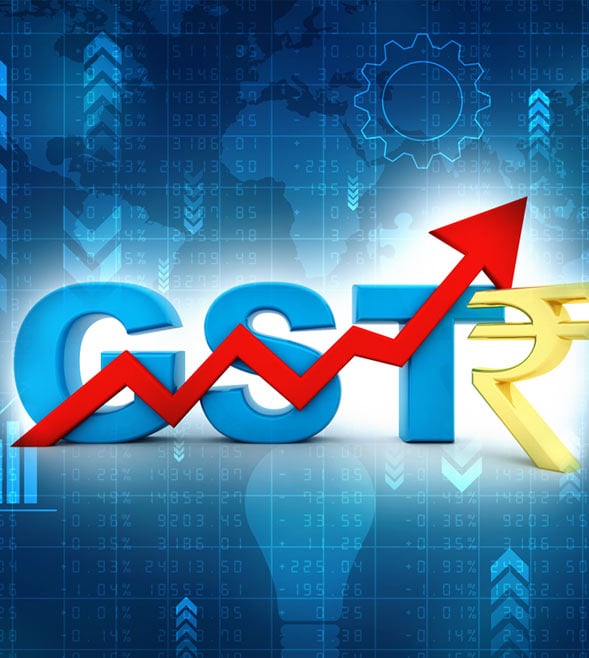
GST 2.0 introduced a simplified three tier tax structure (5%, 18%, 40%) and removed the compensation cess. Waters without added sugar and plant-based milk qualify for the 5% rate. However, many sweetened, caffeinated and carbonated products in the non-alcoholic beverage market in India continue to face the 40% rate, contributing to high price incidence.

Classification remains a significant compliance challenge. Ambiguity around fruit-based beverages, plant-based definitions and functional claims highlights the need for clear guidance based on science.

Conclusion

Building a resilient and competitive beverage ecosystem

The Indian beverage industry in 2026 stands at a critical point of transition, shaped by structural shifts in consumption, regulatory reform and growing expectations around sustainability, traceability and operational excellence. Both the alcoholic beverage industry in India and the non‑alcoholic beverage market in India is expanding their portfolios, strengthening supply chains and adopting digital capabilities to meet complex compliance requirements, including the evolving GST on beverages framework. As premiumisation, health‑focused innovation and modern‑traditional convergence reshape consumer demand, companies will need to prioritise integrated policy readiness, technology‑enabled operations and sustainability‑led brand strategies. A coordinated approach across taxation, infrastructure, digitalisation and global standards will be central to positioning alcoholic beverages India and non‑alcoholic categories for long‑term competitiveness in domestic and international markets.

Outlook for 2026

Premium, purpose-led brands
Consumers want quality with value. Players should embed sustainability in production (water stewardship, renewable energy), packaging (lightweight glass, rPET, mono‑material laminates) and storytelling (origin, farm linkages). Premium cues and responsible design can justify price points in both segments.
Science-backed health and functionality
For non-alcoholic portfolios, maintain evidence-based claims, clean labels, and credible benefits (electrolytes, vitamins, gut health). Pair with modern‑and traditional formats to broaden appeal and increase repeat.
Smart route‑to‑market
Strengthen cold‑chain, embrace multimodal logistics and digitise permit/label workflows where possible. For alcoholic beverages, improve bonded storage planning and compliance velocity; for non-alcoholic drinks, exploit quick commerce and D2C for discovery and trial.
Data, traceability and trust
Adopt QR-based traceability, unified product IDs and interoperable data with suppliers/warehouses to combat counterfeits, accelerate recalls and streamline audits. These measures will be key to regulatory confidence and export readiness.
Policy-ready operations
Design labels to central templates where possible; build classification playbooks and "one‑source" compliance repositories to absorb frequent changes without market delays. Prepare for FTA-linked standards on labelling and sustainability to access premium export channels.
India’s Beverage Industry
Download the report

India’s Beverage Industry

Building a sustainable and competitive beverage ecosystem