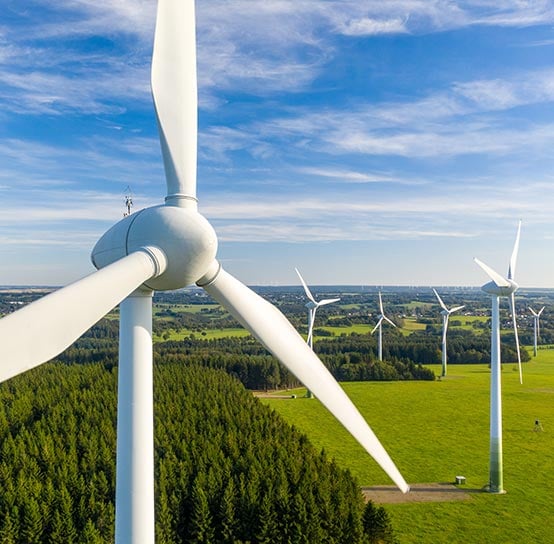
Environmental sustainability in industrial manufacturing
Leveraging technology to provide sustainable solutions in waste management, water treatment and green energy
Environmental sustainability in Gujarat
Gujarat has emerged as a significant contributor to India’s industrial growth, with a diverse manufacturing base that includes textiles, pharmaceuticals, petrochemicals, and engineering. This industrial expansion has positively impacted economic development, job creation, and export competitiveness. However, rapid industrialisation is not without drawbacks, as it has created several environmental challenges, such as increased waste generation, water consumption, and emissions.
Importance of environmental sustainability in industrial manufacturing
Achieving a balance between economic growth and environmental sustainability is crucial. Gujarat has implemented various policy measures and infrastructure improvements to address these challenges and promote sustainable industrial practices. This report examines Gujarat’s industrial sustainability landscape, focusing on waste management, water management, sewage treatment, and technology-driven innovations.
Gujarat’s commitments to environmental sustainability
Gujarat's efforts align with India's national commitments on environmental sustainability, as announced by the Honourable PM, Shri Narendra Modi, at COP26. These commitments, known as Panchamrit (five nectar elements), include:
Reaching 500 GW non-fossil energy capacity by 2030
Reducing the carbon intensity of the economy by 45% by 2030 from 2005 levels
Meeting 50% of energy requirements from renewable energy by 2030
Reducing total projected carbon emissions by one billion tonnes by 2030
Achieving net zero emissions by 2070
Pursuing sustainable industrial growth through green energy solutions aligns seamlessly with these commitments, emphasising a transformative shift towards clean energy, reduced carbon intensity, and enhanced renewable energy capacity. This approach ensures economic and industrial progress while meeting global climate goals.
Benefits of environmental sustainability in industrial manufacturing
Environmental sustainability in industrial manufacturing is crucial for several reasons:
Resource conservation
Reduces the depletion of raw materials and promotes the efficient use of resources
Pollution reduction
Minimises emissions, waste, and pollutants, thereby reducing the environmental impact of industrial activities
Economic benefits
Offers cost savings through improved efficiency, reduced resource consumption, and new market opportunities for green products and technologies
Regulatory compliance
Helps industries adhere to environmental regulations and standards, avoiding penalties and enhancing their reputation
Corporate social responsibility (CSR)
Demonstrates a commitment to CSR, improving the quality of life for communities and contributing to global sustainability goals
This report explores the current situation in Gujarat, global and national best practices, and potential solutions to help Gujarat achieve its sustainability goals.
Objectives of this report
The primary objectives of this report are:
- To analyse and examine the current state of environmental sustainability in Gujarat’s industrial manufacturing sector, focusing on waste management, green energy solutions, water and sewage management, and technological innovations
- To showcase successful case studies and best practices from Gujarat and around the world that can serve as models for sustainable industrial practices
- To engage and encourage stakeholders, including government bodies, industries, and communities, to collaborate and take proactive steps towards a sustainable future
- To identify and highlight the key challenges and barriers to achieving environmental sustainability in industrial manufacturing
- To recommend actionable recommendations and policy suggestions to enhance environmental sustainability in Gujarat’s industrial manufacturing sector
Key insights
- Waste management: The report discusses strategies to reduce, recycle, and properly dispose of industrial waste to minimise environmental impact.
- Pollution control: It outlines measures to control and reduce pollution, including air, water, and soil pollution, through advanced technologies and regulatory compliance.
- Sustainable supply chain management: It talks about how to ensure that sustainability practices are integrated throughout the supply chain, from raw material sourcing to product delivery.
- Water management and sewage treatment: The report highlights techniques for efficient water usage and the treatment of industrial sewage to ensure water conservation and prevention of pollution.
- Water management and sewage treatment: The report highlights techniques for efficient water usage and the treatment of industrial sewage to ensure water conservation and prevention of pollution.
- Green energy solutions: It also emphasises adopting renewable energy sources, such as solar and wind power, and implementing energy-efficient technologies to reduce the carbon footprint.
- Community engagement: The report stresses the importance of involving local communities in sustainability initiatives, ensuring that industrial activities benefit the surrounding areas and address community concerns.
- Environmental management systems (EMS): It discusses the implementation of EMS as a way to systematically monitor, manage, and improve environmental performance in industrial operations.
Way forward
Environmental sustainability in industrial manufacturing
Leveraging technology to provide sustainable solutions in waste management, water treatment and green energy