
As one of the worst-hit economies during COVID-19, the USA has taken various steps to fast-track recovery. Forced closure of businesses due to lockdowns has not only disrupted supply chains, but driven many businesses to closure, leading to significant job cuts.
In continuation of Prime Minister Narendra Modi’s ‘Atmanirbhar Bharat Abhiyan’, Finance Minister Nirmala Sitharaman today, in her second tranche of Centre’s INR 20 lakh crore fiscal stimulus, addressed the challenges of food, shelter and livelihood faced by migrant workers, street vendors and small farmers.
In his nationwide address on 12 May 2020, Prime Minister Narendra Modi called for Atmanirbhar Bharat Abhiyan, which will focus on making the country self-reliant.
We are pleased to present the Monthly Dealtracker, which captures the deal activities in India during April 2020.
To help businesses tide over the COVID-19 crisis, the government has recently announced a slew of tax and regulatory relief measures providing compliance breather to businesses.
The COVID-19 pandemic has turned into a much larger socio-economic crisis in a short span of time. Economists suggest India’s economy might have its first contraction in 40 years in the current fiscal.
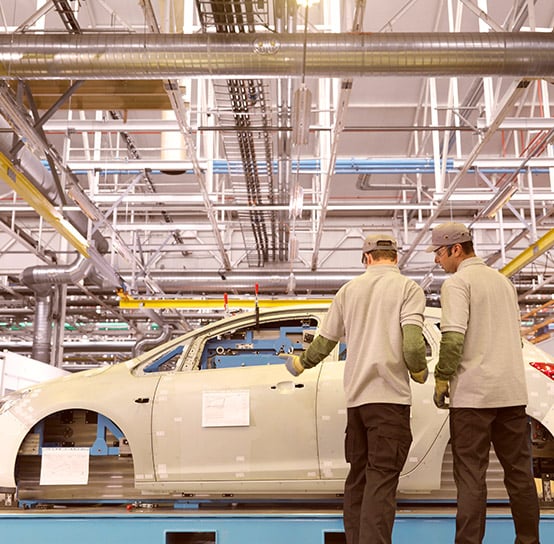
2019 was a tough year for the automobile industry due to a global economic slowdown and falling GDP in India. But as we looked forward to the year 2020 with great optimism, the COVID-19 crisis had left industries around the world crippled.
With rising cases of Coronavirus disease across India, the Ministry of Home Affairs (MHA) on 15 April 2020 issued revised guidelines covering measures for containment of the disease and continuity of safe business operations.
Due to the need of increasing liquidity and optimising costs during the ongoing COVID-19 crisis, some organisations are looking at halting their in-progress IT projects for short-term.
The Indian tax and regulatory space is changing at an unprecedented rate. We are witnessing policy announcements, legislative changes, judicial precedents and clarifications almost daily.
The COVID-19 crisis has disrupted supply chains for consumer and retail sectors, which were already reeling under converging pressures even before the pandemic struck.
The COVID-19 crisis has resulted in an unprecedented social challenge never experienced in modern times with millions of families and individuals in urgent need of support on economic and health security fronts.
The COVID-19 crisis is going to alter global economic relationships significantly. As trade and businesses around the world look at devising ways to mitigate the crisis, strategic bilateral relationships need a fresh perspective to challenge the uncertain times.
A crisis of the magnitude of COVID-19 is not merely a health and well-being issue, but also an operational and financial one that can lead to disruptions and long-term impact for businesses.
In an ever-changing regulatory environment, one of the biggest challenges for directors is to implement appropriate systems and processes to proactively protect their organisations, people and customers from any potential business disruption due to new regulatory requirements.
Grant Thornton in India presents the latest edition of the Monthly GAAP Bulletin that summarises significant accounting, auditing and regulatory updates. This publication has been compiled to meet the needs of dynamic Indian businesses and focuses on key developments in India and across the globe.