
Sign up to receive newsletters, with must-read articles and insights from Grant Thornton’s senior leaders across the globe.

Grant Thornton Bharat recently hosted a webinar on 'GST governance for fintech and payments boards' that looked beyond routine GST compliance to examine how regulatory interventions are increasingly driven by deeper operational, governance, and ecosystem-wide vulnerabilities across a fintech’s value chain. Our leaders outlined how shortcomings in operational processes, partner due diligence, systems architecture, and data flows can amplify regulatory risk and, in some cases, lead to enforcement action. The discussion reinforced the need for fintechs to move from patchwork compliance fixes to a unified, enterprise-wide governance framework that anticipates risks before they escalate.
Key takeaways:
- Scaling requires stronger governance: As fintechs grow, their risk exposure and regulatory scrutiny rise, making mature controls essential.
- GST compliance reflects process discipline: GST filings and reconciliations highlight the strength of underlying transaction, accounting, and documentation processes.
- Integrated risk management is non-negotiable: Technology, operations, compliance, and tax controls must work together to effectively manage enterprise-wide risks.
- Cross regulator data sharing raises the bar: With regulators triangulating data, well documented intent and defensible tax positions are critical for audit readiness.
Speakers
-
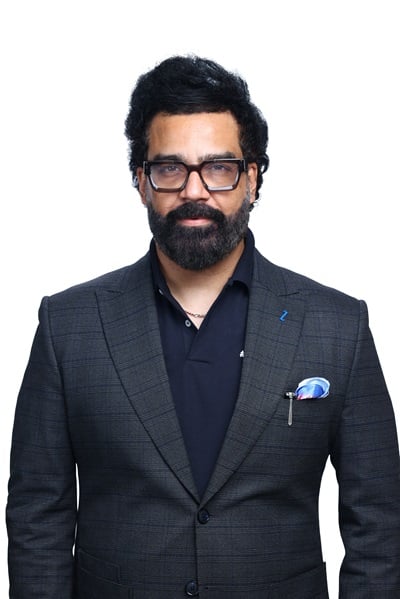
![Krishan Arora (moderator)]() Partner, Tax Planning & Optimisation and India Investment Advisory LeaderKrishan Arora (moderator)Grant Thornton Bharat
Partner, Tax Planning & Optimisation and India Investment Advisory LeaderKrishan Arora (moderator)Grant Thornton Bharat -
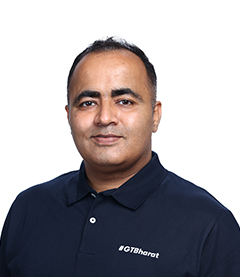
![Biren Vyas]() Partner, Tax Planning & OptimisationBiren VyasGrant Thornton Bharat
Partner, Tax Planning & OptimisationBiren VyasGrant Thornton Bharat -
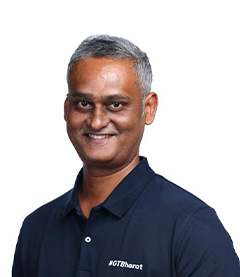
![Dharmender Jhamb]() Partner and Fintech Industry LeaderDharmender JhambGrant Thornton Bharat
Partner and Fintech Industry LeaderDharmender JhambGrant Thornton Bharat -
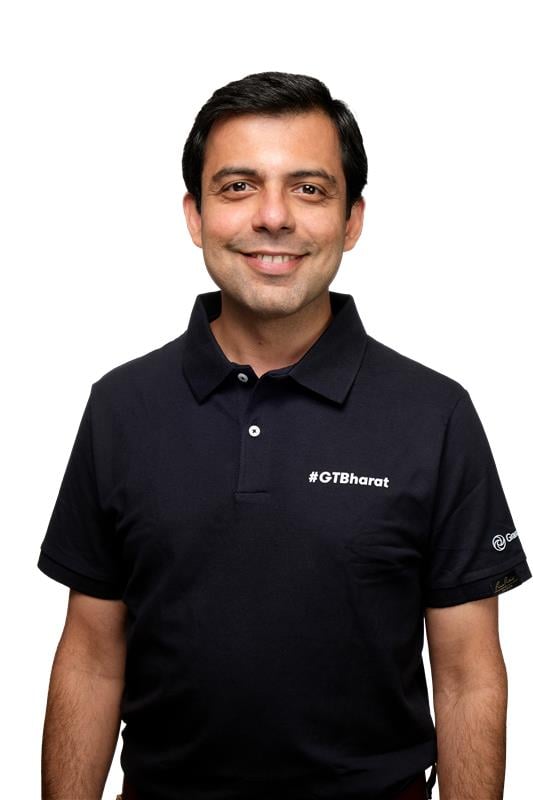
![Rohan Lakhaiyar]() Partner, Financial Services Risk AdvisoryRohan LakhaiyarGrant Thornton Bharat
Partner, Financial Services Risk AdvisoryRohan LakhaiyarGrant Thornton Bharat -
![Vishal Narula]() Partner, Crisis & ResilienceVishal NarulaGrant Thornton Bharat
Partner, Crisis & ResilienceVishal NarulaGrant Thornton Bharat
Subscribe to our newsletters