
Learn more about how our Aviation services can help you

Turbulent times: The impact of the Middle East conflict on airlines
The current conflict in the Middle East poses the most profound impact on aviation since the pandemic.
For more updates follow Grant Thornton Bharat on WhatsApp
27 Jul 2026 3 min read

This expansion is unfolding amid a difficult global operating environment. Geopolitical conflicts have disrupted international airspace, lengthened flight paths and increased fuel costs. At the same time, delayed aircraft deliveries, higher maintenance expenses, elevated lease rentals and tighter financing conditions are testing airlines' ability to scale efficiently. While domestic demand remains resilient, international operations face greater cost pressures.
Aviation turbine fuel (ATF) remains one of the most immediate pressures on airline margins. India has taken steps to provide relief, including extending a line of credit for ATF. However, prolonged volatility may still require airlines to increase fares, rationalise routes or renegotiate supplier contracts.
Sustainability is another growing priority. India is advancing sustainable aviation fuel (SAF) adoption and green airport development, but high production costs, limited feedstock and infrastructure gaps continue to constrain commercial viability.
The Aviation Sustainability Index (ASI) could provide a way forward by assigning measurable scores to aviation projects based on their verified emissions impact. Such a framework could help investors identify credible green projects, reduce greenwashing risks and direct capital towards technologies that genuinely lower aviation's carbon footprint.
While resilience is the immediate priority, India is also laying the foundations for longer-term expansion across the aviation value chain. Large aircraft orders demonstrate the scale of capacity being planned.
The wider opportunity includes:
India's next opportunity is to retain more of the economic value generated by its passenger traffic. A significant share of this value is currently captured by foreign hubs such as Dubai, Singapore and Doha through their airlines, airports, MRO facilities and retail ecosystems.
Integrated airport-airline strategies, stronger domestic MRO capabilities and improved regional connectivity could help India move from being a traffic generator for overseas hubs to an aviation centre serving South and Southeast Asia.
Global aircraft delivery delays remain a constraint. The proposed relaxation of age limits for imported pressurised aircraft could help carriers maintain capacity while awaiting new deliveries. In parallel, Atmanirbhar Bharat is encouraging domestic manufacturing of components and stronger maintenance capabilities.
India is also becoming more integrated into global aerospace supply chains. Airbus plans to procure USD 2 billion worth of components and services from India annually by 2030. Its Bengaluru technology centre and the maiden test flight of the first India-made Airbus C295 aircraft mark important steps in building domestic engineering and production capability.
However, India remains dependent on imports for advanced avionics, composite materials and certain jet-engine technologies. Closing these gaps will be critical to its ambition of becoming a mature aerospace manufacturing hub.
The medium-term outlook for India's aviation sector remains positive. However, its next phase will depend on stronger fuel resilience, supply chains, MRO, manufacturing and sustainable aviation.
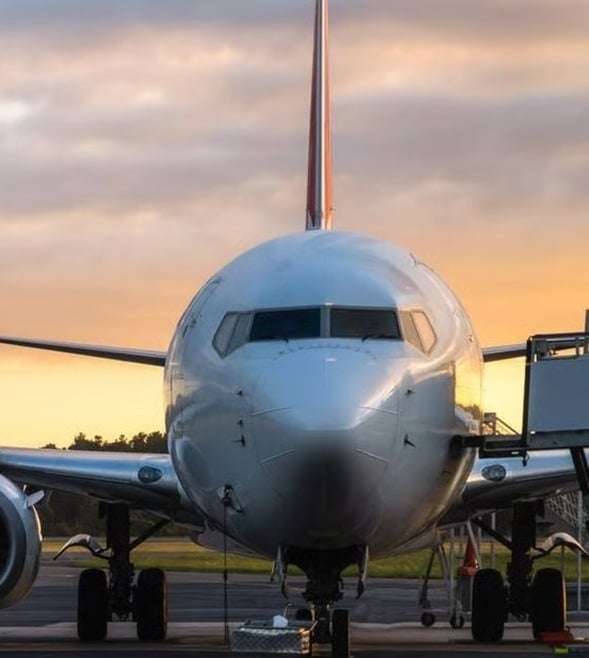
The current conflict in the Middle East poses the most profound impact on aviation since the pandemic.

As India’s aviation industry scales up, safety, cybersecurity, and innovation are becoming critical. Explore the trends redefining air travel.

The Indian aviation sector is experiencing an unprecedented transformation, emerging as one of the fastest-growing aviation markets in the world.